Ransomware attacks are one of the largest digital risks to any business today, as cybercrime continues to evolve at a dazzling speed. No industry is immune to ransomware, from hospitals and banks through small businesses or government organisations. In just a few hours, one attack can render critical files unusable and bring even the most successful operations to their knees, resulting in losses that easily stretch to millions of dollars.
What Is a Ransomware Attack in Cyber Security?

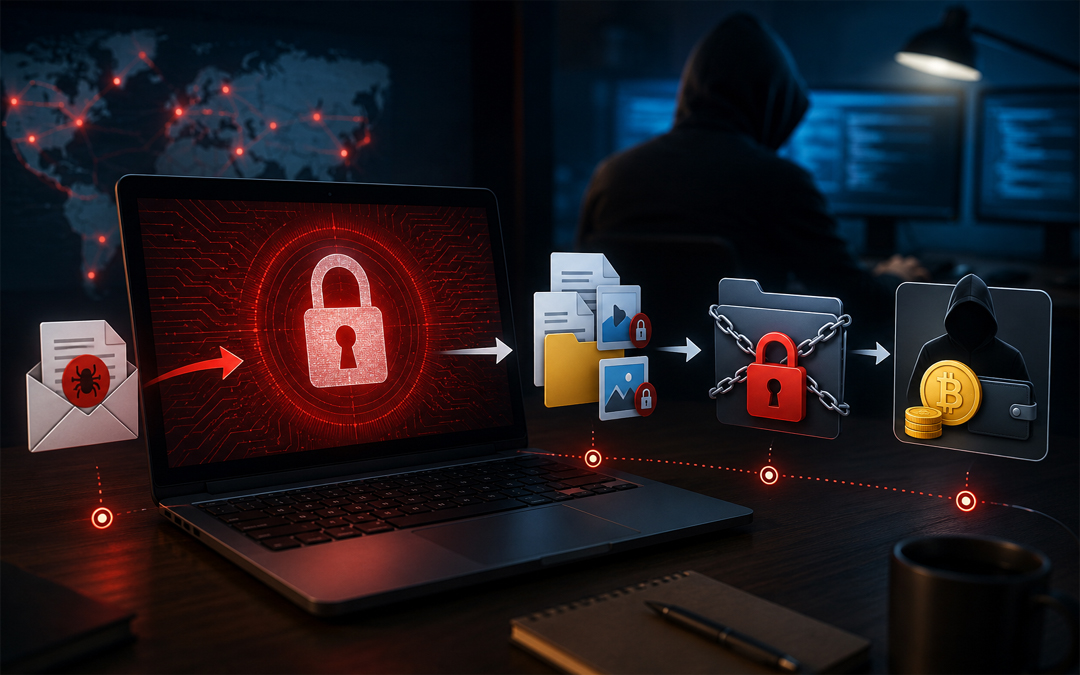
Ransomware attack is a kind of malicious cybersecurity behaviour in which hackers encrypt files, systems or networks of the victim and demand a ransom payment from their opponent so they can restore the situation. Because cryptocurrency is hard to track, the attackers often demand payment in this form of currency.
Ransomware attacks often begin through:
- Phishing emails with malicious attachments
- Unsafe downloads
- Weak passwords
- Exploited software vulnerabilities
- Remote Desktop Protocol (RDP) attacks
- Infected websites or links
Ransomware backs itself into a system quickly and locks essential files once it gains access. Victims would typically get a message that payment had to be made within a short window of time
How Long Do Ransomware Attacks Last?
The length of time the ransomware takes to conduct its attack can depend on how serious a breach it is, what kind of defences an organisation has in place and whether there are safety nets that work.
Initial Infection Phase
Attackers can execute their code within minutes of someone clicking on a rogue link or opening a contaminated file. Certain ransomware variants take days or weeks before they are triggered.
Encryption and System Downtime
When ransomware is enabled, it can encrypt thousands of files in a matter of hours. Here, one can expect business operations to totally stop.
Recovery Period
Depending on the factors, recovery can take several days to a few months:
- Size of the organisation
- Availability of secure backups
- Extent of data damage
- Incident response speed
- Cybersecurity infrastructure
Organisations may continue facing issues even after systems are restored:
- Financial losses
- Reputation damage
- Regulatory penalties
- Customer trust issues
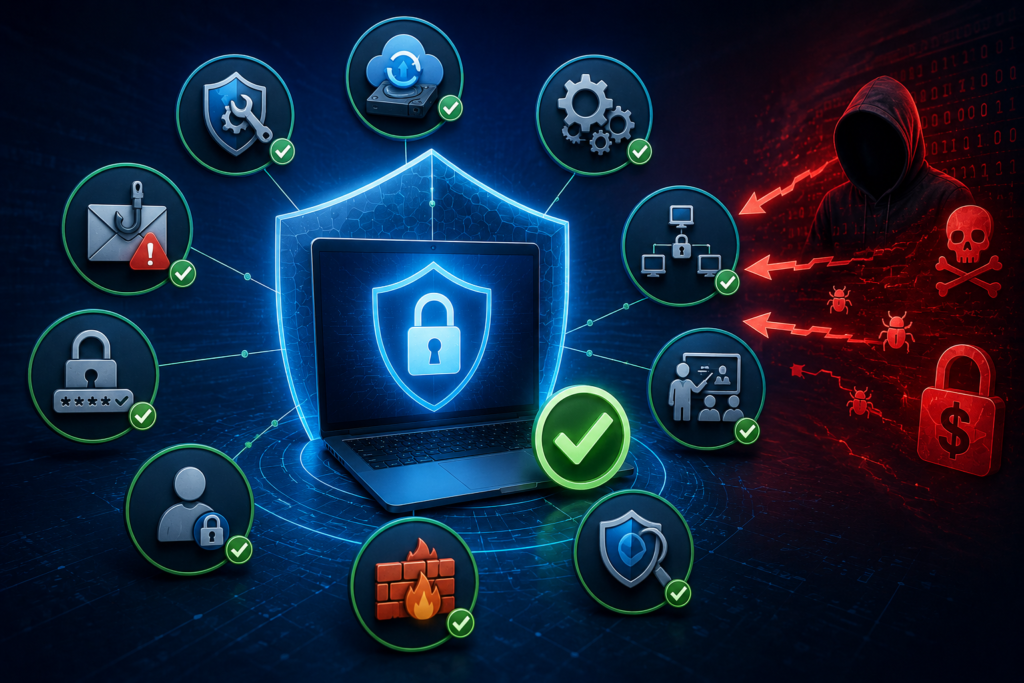
How to Avoid a Ransomware Attack
Train Employees on Cybersecurity Awareness
Ransomware is often the result of human error. Employees should be trained to:
- Identify phishing emails
- Avoid suspicious links
- Verify unknown attachments
- Use secure passwords
Keep Software and Systems Updated
The software that has security flaws? Hackers go after/outdated. Businesses should:
- Install security patches regularly
- Update operating systems
- Upgrade antivirus software
- Remove unsupported applications
Regular updates mitigate security loopholes ahead of malicious invaders.
Use Multi-Factor Authentication (MFA)
Multi-factor authentication provides a second level of security that asks users to prove their identity again, usually with something such as a password. MFA ensures that no unauthorised access can be provided to the attacker if he manages to get those login credentials.
Maintain Secure Data Backups
Frequent backups are one of the best defences against ransomware. Businesses should:
- Store backups offline or in secure cloud environments
- Test backups regularly
- Maintain multiple backup copies
- Separate backup systems from the main network
Businesses must have a sound disaster recovery plan to minimise downtime and recover vital information as early as possible. Pexo’s Data Backup and Disaster Recovery Services in order to safeguard important business information, build cyber resilience and restore systems efficiently after an unexpected cyber incident.
Implement Advanced Endpoint Protection
Modern endpoint protection solutions on the market utilise AI-based technology alongside behavioural analysis, where abnormal behaviour is flagged long before ransomware hash signatures ever hit your servers. Businesses should use:
- Endpoint Detection and Response (EDR)
- Antivirus software
- Threat monitoring systems
- Email security filters
Advanced protection tools can easily identify ransomware patterns and stop the attacks early on.
Restrict User Access
Not every worker should have access to company files. Lower user permissions help to stop the spread of ransomware through networks.
Businesses should use the principle of least privilege; employee roles only receive the access required.
Create an Incident Response Plan
Organisations needed to respond quickly during the attack by having an incident response plan. The plan should include:
- Isolation procedures
- Communication protocols
- Backup restoration processes
- Legal and compliance steps
- Cybersecurity team responsibilities
Not every worker should be allowed to have access to company files.
Conclusion
Regardless of the size, organisations worldwide are falling victim to increasingly sophisticated and expensive ransomware attacks. Knowing what ransomware is in cybersecurity, how long ransomware attacks last and how to prevent this type of attack will allow all kinds of organisations to strengthen their protection against current advances in cybercrime.