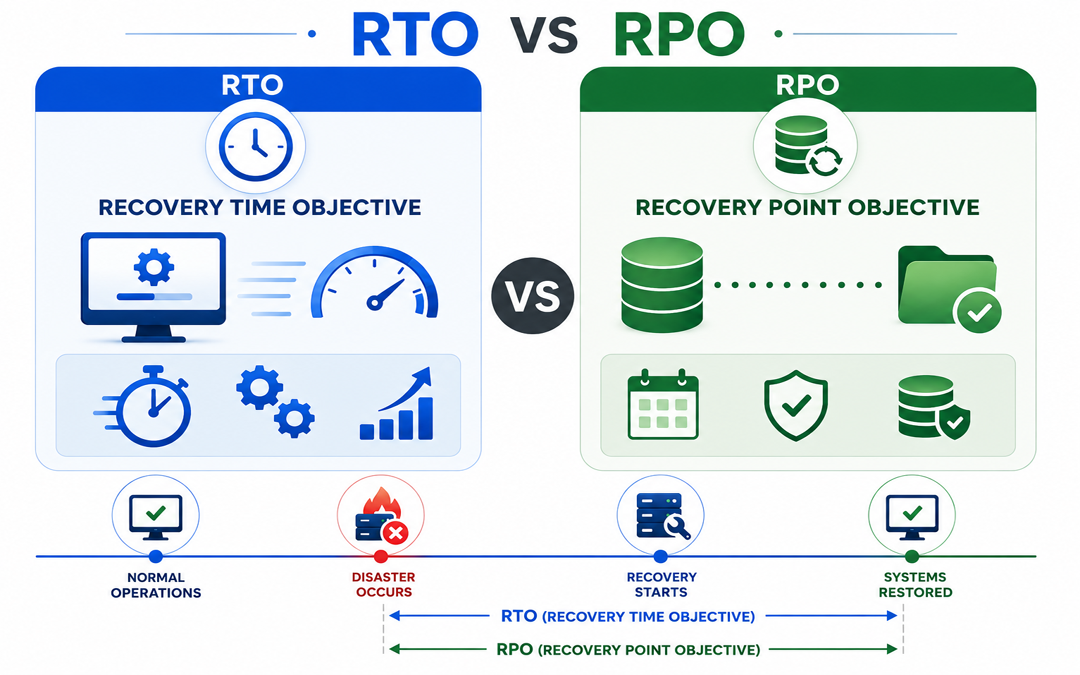
Recovery Point Objective (RPO) defines the maximum time that can be tolerated before a system is restored. RTO defines the architecture of the systems, the recovery strategy used and the frequency of backups.
Most disaster recovery exercises are conceptual. When a primary database server is down, it’s usually at a busy time. It’s important to know immediately how much data was lost and when operations will resume.
Most disaster recovery plans have only vague goals like “keep the business running”. The engineers must use concrete metrics to create a recovery plan that is effective.
These metrics will determine whether or not your application can recover smoothly from a data loss. It will be determined if your application is able to recover from data loss.
What is Recovery Point Objective?
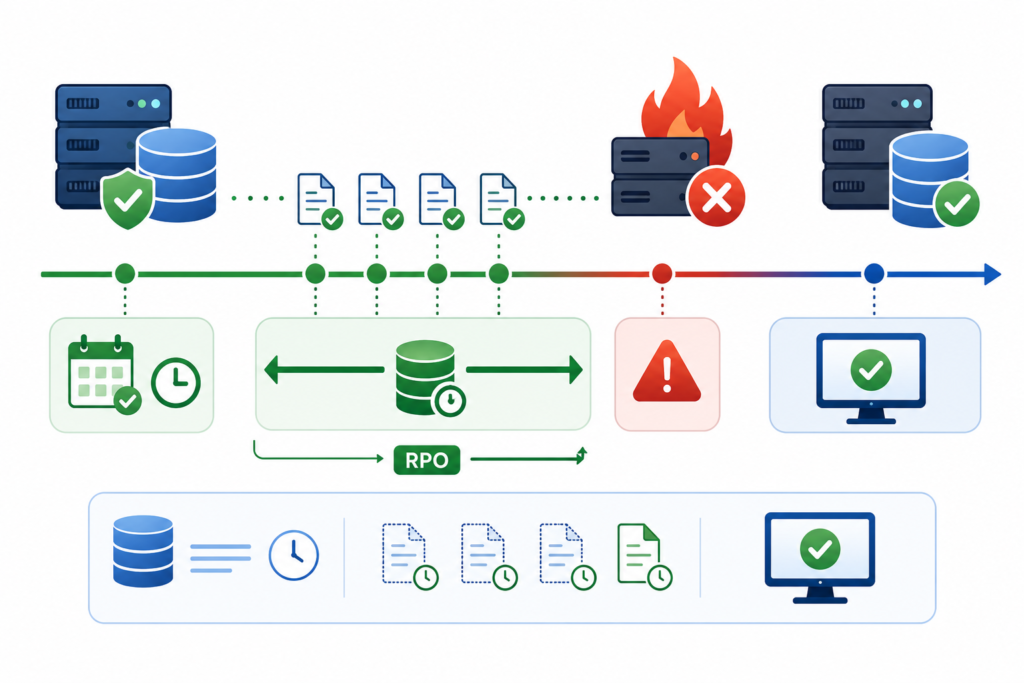
This is the time that has passed between a data loss and the latest backup.
It may seem simple to schedule backups, but the cost of storage and computing resources can be prohibitive.
RPOs less than 30 seconds are required by business-critical databases. To achieve more strict RPO goals, you must modify your architecture. This usually means using CDP or increasing the frequency of your incremental backups. Your system architecture needs to meet RPOs regardless of failure modes.
What is the Recovery Time Objective (HTM0)?
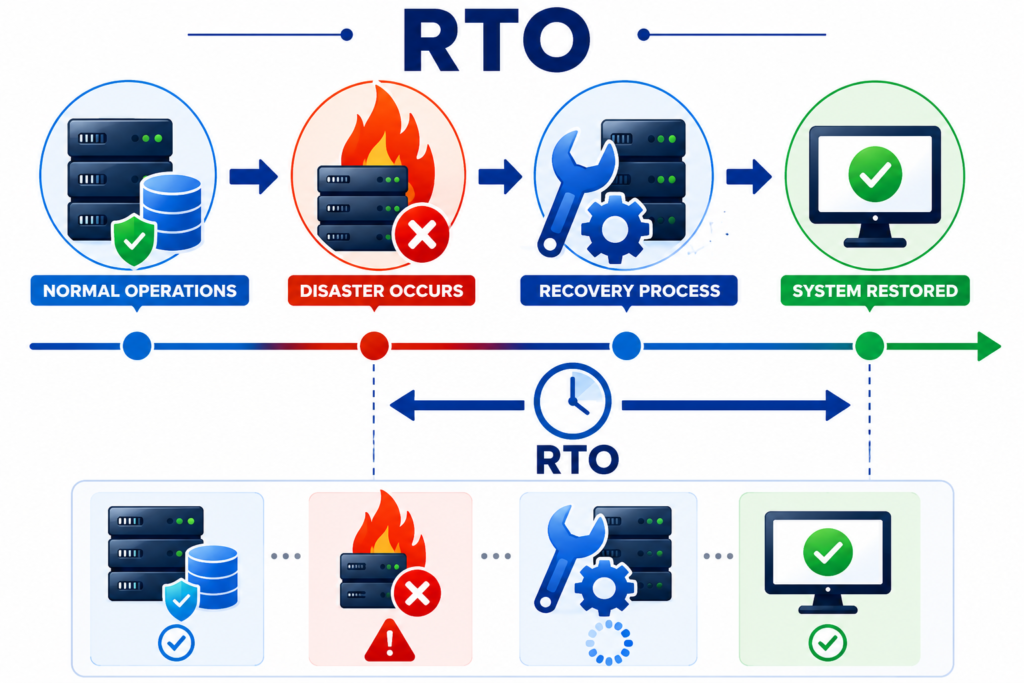
Recovery time objective measures how long an application can be down before it causes significant business damage. Time between the disaster and return to business as usual. Includes the time required to complete all the technical steps to restore data and applications.
Restoring from a backup in a staging environment appears quick. Moving Terabytes across a production network is not always scalable. Certain applications can remain offline for days without any significant impact. Payment APIs are only down for a short time before customers and revenue suffer.
You need high-performance hardware and orchestration software to improve RTO. Infrastructure that runs workloads off backup storage is also required.
What’s the difference between RTO and RPO
RPO looks backwards to the lost data. RTO is focused on downtime. RPO & RTO have different infrastructure designs despite their similarities.
In order to build a robust and reliable system, it is important that you understand these aspects of technology:
- Measurement direction: Return to failure (RPO) is measured backwards in time. Calculation of RTO from failure time.
- RTO is focused primarily on service continuity. HTML3_ HTML4_ HTML5_ HTML6_ HTML7_ HTML8_ HTML9_ HTML10_ HTML9_ HTML10_ HTML10_ HTML1?
- Driver of architecture: RPO is responsible for determining your backup policies and frequency, including replication intervals. RTO drives your failover mechanisms, routing, and standby infrastructure.
- Costs: The cost of replication is high, and it increases storage costs and bandwidth. A reduced RTO may increase computing costs due to the need for idle standby servers and failover systems.
These metrics measure your risk tolerance. They set goals for technology decisions.
How does RTO/RPO impact disaster recovery in the real world?
RTO and RPO can be viewed as separate metrics, which hides the complexity of recovery. A downed e-commerce website that customers access is an example of how these metrics interact during the downtime.
If you agreed on an RPO of one hour, your last clean backup must have taken place no earlier than one PM. Maximum data loss is one hour. You have up to six hours to determine the threat and restore the 1:00 PM back up to a new machine. Check data integrity. Update DNS records to direct traffic to the restored application.
Customers will leave you if your RTO is not met.
What is a realistic RTO/RPO target for engineers?
While it may seem ideal to aim for RPOs or RTOs that are zero, the infrastructure costs are enormous. Recovery goals should be realistic, based on budgets, available resources, and company priorities.
Grouping applications will help you allocate resources more efficiently. Disaster recovery can be focused on the most critical systems by grouping applications.
Tier 1 : Workloads deemed mission critical
The RTO target is usually minutes, or very close to it. the RPO goal can be between seconds and hours.
Second tier: This is needed for instant failover and continuous data replication. You will also need warm standby databases, which contain payment gateways and core production databases.
Tier 2: Business-important workloads
These systems can tolerate moderate downtime. The RTO goal is under four hours. The RPO target ranges between one and forty-eight hours.
Reduce loss without overloading the storage network. CRM and reporting tools are often found in this tier.
Tier 3: Standard workloads
The workload is lower in priority and a longer recovery period can be tolerated. Recovery time objectives range from 4 to 24 hours. Recovering times targets fall between 12 and 24-hours.
This is the first tier. It includes backups of standard data and employee training portals. Archived backups as well as archival storage are included in this level.
What is the best way to maximize RPO/RTO production?
Setting the goal is step one.
In order to meet production targets, it is important that your engineering team follows specific architectural patterns.
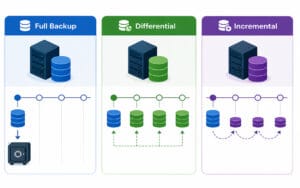
- Do frequent incremental backups. This is simple. Your RPO will decrease if you make more frequent backups. Incremental backups reduce the storage requirement by only storing changes.
- Use a warm standby database. This will ensure that you have minimal data loss and a fast recovery. For example, by using physical replicas to maintain your standby, it is possible to fail over in just minutes. Both RTO and RPO can be achieved simultaneously.
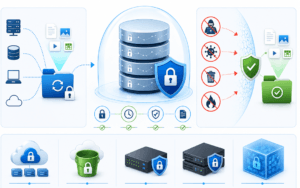
- Store immutable data offsite. Avoid modifying or deleting critical recovery information. Immutable backups ensure that you can recover in the event of a primary network compromise.
- Use automation scripts to automate the failover process. Manual recovery can introduce human error, increasing downtime. Automate restarting services and database promotion using automation scripts.
- Document all the dependencies of your applications. Prioritize recovery. Restore authentication services, databases and webfrontends before restoring any other functionality.
What’s the best way for you to test your Disaster Recovery Infrastructure?
Many companies think that they have perfect backups. However, when the company tries to restore their database, the backups turn out to be corrupted. The theoretical goals of recovery are useless if the restore actually fails.
Regularly test your recovery procedures. A complete outage is an effective way to assess your infrastructure. Calculate the amount of time required to return the work to its functional state. Compare this measurement with your Recovery Time Objective (RTO) to see how the actual world compares to what you defined.
Check your recovery points to ensure that you are not exceeding the RPO. You cannot have an RTO of less than two hours when it takes six hours to download your cloud backups. Upgrade to a local backup server or upgrade your network.
What is the RTO/RPO requirement for your Disaster Recovery Plan?
You and your team might have agreed that your RTO for a critical database should be 15 minutes. This timeframe must include the database and any dependent systems.
When evaluating vendors, ask for proof. Physical replication is used to continuously verify backup databases. The Dbvisit Standby for Oracle Database Tools use this method to ensure a backup database that’s ready to be taken over by production traffic.
Make sure that your backup solution is meeting all of your needs without impacting the performance of primary databases. Ensure that you have minimal gaps in between backup and primary environments by updating source databases continuously.
Plan your disaster recovery before production fails
A discipline based on metrics, disaster recovery is an engineering discipline. The RTO (Reduced Time Objective) defines the maximum amount of downtime your business can tolerate before operations are significantly impacted. Set your metrics today to make sure your system survives tomorrow.
PEXO Helps Businesses Recover Faster with Advanced Backup Solutions
Protect your critical business data with reliable Data Backup and Disaster Recovery Services. PEXO helps organizations minimize downtime, safeguard essential information, and ensure business continuity through proactive backup strategies and rapid recovery solutions. Their expert team delivers secure, scalable solutions designed to keep your operations running smoothly, even during unexpected disruptions.
Real-World Example of RTO and RPO
Consider an online banking platform:
· RTO: 1 hour
· RPO: 15 minutes
If the system fails at 3:00 PM:
· The bank must restore services by 4:00 PM.
· The bank can afford to lose only up to 15 minutes of transaction data.
To achieve this, the organization may use real-time replication, frequent backups, and automated failover systems.
FAQs
What is RTO and how does it measure up?
Recovery Time Objective is It is the maximum time that your system can be off-line following a disruption. Calculated from the point at which the problem occurred to the point when normal operations resume.
What is RPO and how does it work?
RPO stands for Recovery Point Objective. RPO represents the recovery point goal. RPO is the Recovery Point Objective.
How does backup frequency affect my RPO rate?
RPO directly depends on the frequency at which you back up. If you do so every four hours, your RPO will equal four hours. Data loss occurs for four hours if there is a failure right before a backup run.
Why do companies use warm standby databases for disaster recovery?
RTO/RPO is drastically reduced with warm standby database. Data loss from the primary database can be kept at a minimum. Servers will still run and failover can happen in minutes rather than hours
How frequently should engineers check RTO/RPO goals?
Teams should review their RTO/RPO goals at least once a quarter. This metric must be evaluated whenever there are changes in compliance standards, new workloads, or if the business is growing significantly.