Cyber threats, meanwhile, remain to mature and far outpace traditional security models in their capability to secure a modern organization. And with organizations operating in cloud environments to support remote workforces and the increasing amount of sensitive data flowing through multiple devices and networks And those shifts have resulted in an environment that is especially difficult for cybersecurity.
Zero Trust is one of the most effective security methodologies developed in modern times. Multiple types of enterprises are utilizing the frameworks to reduce cyber risk and achieve enhanced data protection. Then what is Zero Trust, (in cyber security), and how does it work?
Understanding Zero Trust in Cyber Security
At its core, Zero Trust is about one simple principle never trust, always verify. Zero Trust is a new and different way of thinking about network security as compared to the traditional model, where users or machines inside the fort were trusted.
This means that no user, device, application, or system should automatically be trusted and given access to resources. An actor is not trusted just because he made it inside the network.
Zero Trust aims to limit the impact of a breach, data exfiltration, and internal sideways movement.
Here are all the reasons that Traditional Security Models Just Don’t Cut It
- Traditional cyber security approaches were convenience through perimeter-based security. Information was often kept in silos but once a user was through the network firewall they would have free access to systems and data.
- However, the business environment has changed significantly over the past few years. Workers today are going to the remote office (home) where all apps are cloud-based and cybercriminals run their ever-changing exploit methods that beat regular configurations.
- This creates vulnerabilities as we rely solely on perimeter security. For instance, if there is no IDS, once an attacker penetrates the network he can move freely from system to system without any restriction.
- Enter Zero Trust, who addresses this exclusion by questioning all ask feel capped all source of origin.
How Does Zero Trust Work?
Simultaneously, Zero Trust is data-centric this does not exempt parts of the IT environment from identity and access control measures. The system is based on constant validation, rather than the expectance of trust as it allows users and devices to gain access.
It operates through a handful of model principles in the form of framework.
Continuous Verification
Verify and authorize all users and devices trying to access your system. Rent, when the user logs in, does not do a check which is only done once.
This helps to promptly identify any weird activity or even an account hacking.
Least Privilege Access
In Zero Trust, the principle of least privileged access is applied meaning users are provided access to only those resources that will help them in getting their jobs done.
So if you happen to be an employee in finance, that wont grant you access to HR or engineering systems. You are constrained by how much damage can be done if an account is hacked.
Multi-Factor Authentication (MFA)
Multi-Factor authentication Multi-factor authentication is one of the fundamental components in Zero Trust based security. These are two-factor authentication to verify who you are, i.e., require the users to enter a password biometric (fingerprint) or one-time verification code.
It provides another layer of protection from stolen credentials and unauthorized users.
Device Security Verification
The key difference with the new Zero Trust, is that it evaluates not only the user but also the device and security status. Devices that do not match those security requirements may be denied access.
By the way, an antibiotic lacking current antivirus programs or security patches could be identified as harmful and, therefore, prevented from checking linkup to critical systems.
Network Segmentation
Network segmentation is another key feature of Zero Trust. You segment virutally so that systems cannot traverse the data center as easily.
This serves as a containment area, restricting lateral movement in case an attacker gains access.
Benefits of Zero Trust Security
In fact, there are some dead giveaways to the upside for enterprises in Zero Trust.
Arguably, the biggest advantage is improved cyber attack defense. Getting unauthorized access to the critical systems is very hard as every request is verified.
This also makes you more visible and in the public eye. However, for organizations, you can actively track user activity and quickly identify potential threats so that effective action can be taken immediately to continue attacks more quickly.
However, one of the biggest benefits is that it provides much better support for remote work & cloud environments. Even in the case of employees working from anywhere, zero trust provides access.
Deployment of access controls through the Framework allows organizations to meet compliance and data protection requirements in a much more secure manner.
Elements of a Typical Zero Trust Architecture
Zero Trust is the bigger picture of technology security working together.
Identity and access management systems are designed to not only authenticate users but also manage what authorities they have. Endpoint security tools monitor the health and compliance state of devices. SIEM Systems: IT Security Information and Event Management.
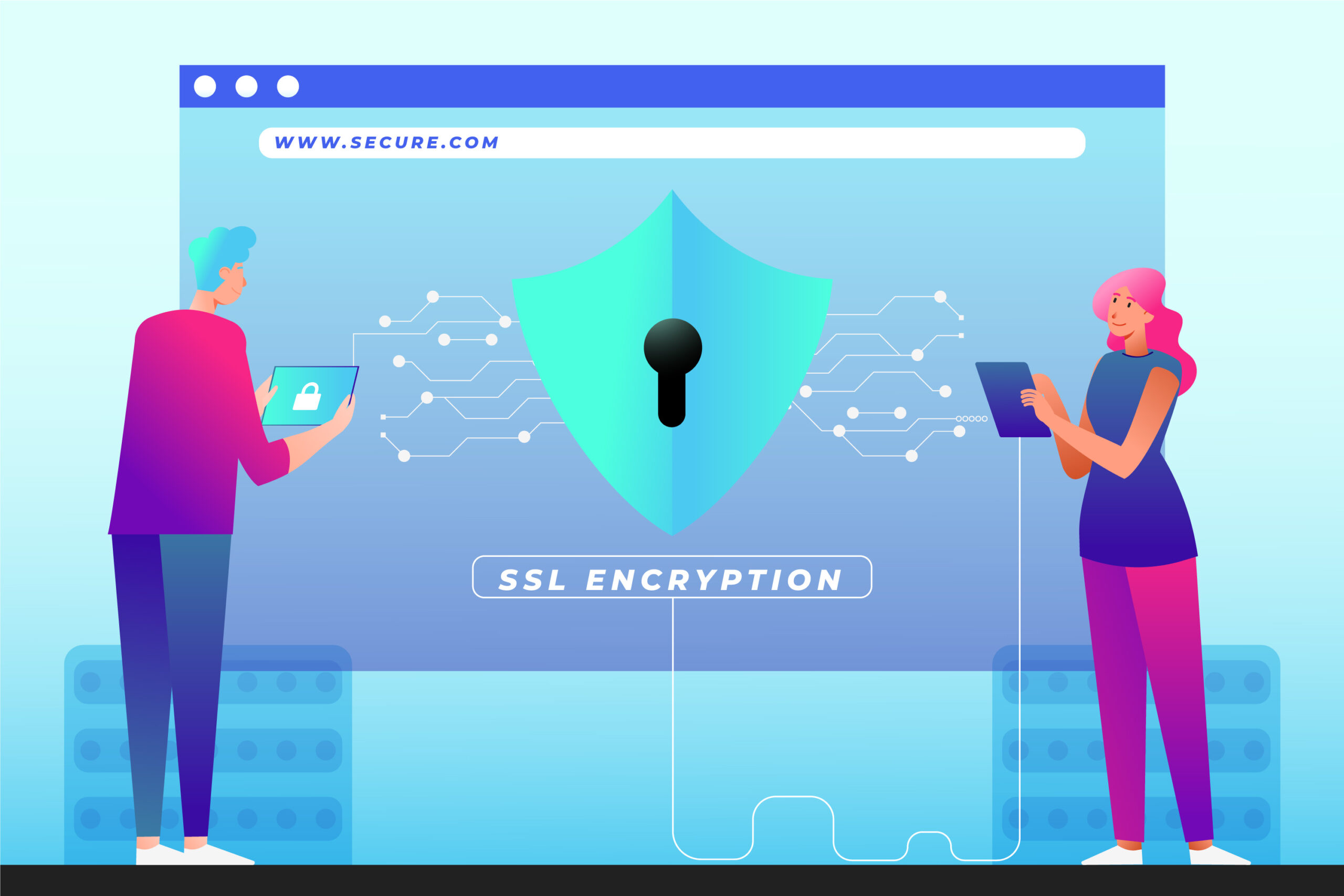
Encryption is, of course, an important piece as well, providing security for sensitive data both in transit and at rest.
And these elements are what makes layered and far more secure environment.
Challenges of Implementing Zero Trust
Zero Trust offers many security benefits but can be a challenge for some organizations to implement.
The majority of the organizations struggle to harmonize Zero Trust with legacy systems that were designed before the modern security frameworks. Besides, investments have been made on technologies and building employee capabilities.
Additionally, designing continuous authentication and access for large organizations is complicated and involves extensive groundwork.
In many cases there are barriers that must be overcome, but the investment of time and money in your security broadly pales by comparison to waiting.
When it comes to security, the main question that everyone has is Do You Need Zero Trust and More Specifically Zero Trust For your Small Business?
Zero Trust is Still Not Just for Enterprises As for the statistics, cyberattacks are frequent targets of an SMB where there is much space to improve with better security controls.
The latest zero trust solutions are crucially helping small companies without a security infrastructure already in place, to enjoy the benefits of the latest cybersecurity methods with much less heavy lifting and training needed than was before possible.
Why Choose Pexo for Modern Cybersecurity Protection?
Zero Trust is not implemented via a simple switch; rather, it requires advanced planning, cutting-edge security technology and ongoing monitoring expertise. Specialist telecom security pros, like the industry leaders at Pexo, provide managed services to help these businesses elevate their cybersecurity posture With cutting-edge cyber security solutions, companies can improve threat detection and log management, secure all their data remote access points, and form a more formidable defense against modern cyber terrorists.
Conclusion
Zero Trust is a contemporary cybersecurity approach centered on the concept of never trusting any user, device, or system without verification. This framework minimizes your cyber risks by continuously verifying access requests and restricting permissions, so that you can turn data quality into a tangible inside track, while keeping the damage of each attack to a minimum.
Due to the remote work revolution, where both cloud geometry and cyber threats proliferate across some business systems. Zero Trust as one of modern forms cybersecurity strategies This is just one kind of strategy businesses can adopt and migrate toward for improved security, visibility and protection against hybrid risk that will only get more complicated with time.