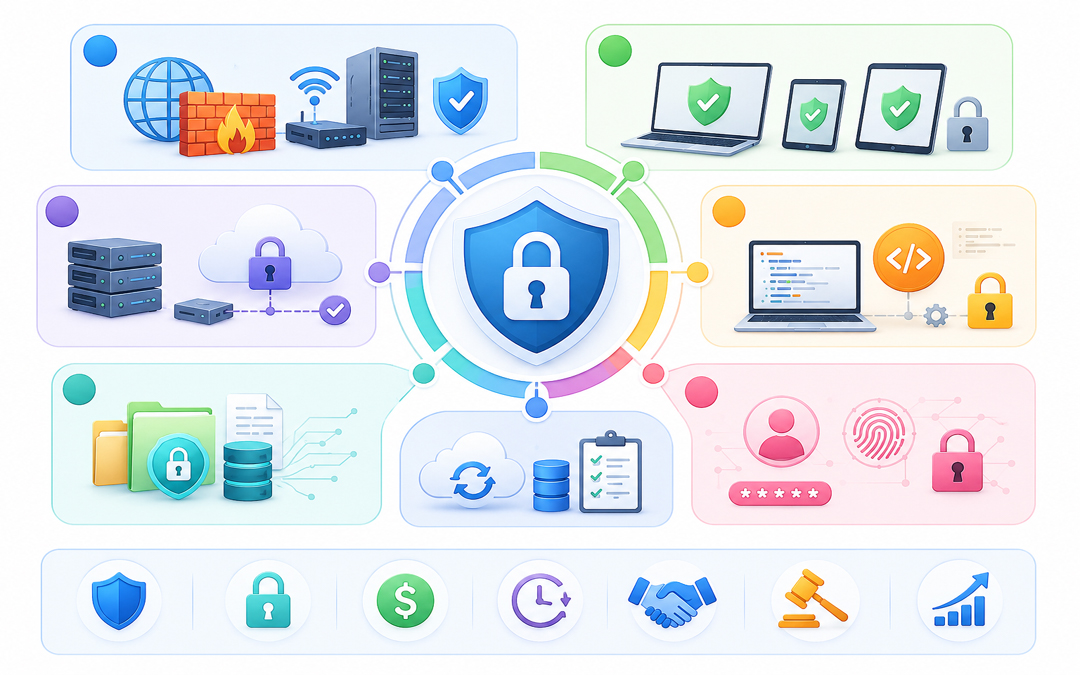
Cybersecurity has a wide scope and ultimately refers to numerous types of security targeting different problems. However, at the same time, the dependency of the world on technology is exposing us to many risks. Cyber threats (ransomware, phishing, breaches, etc.) remain some of the biggest sources of business risks. To be safe, one of the things a business has to do is to be aware of the ways of protecting different areas of security, making them strong and safe.
7 Types of Cyber Security
1. Network Security
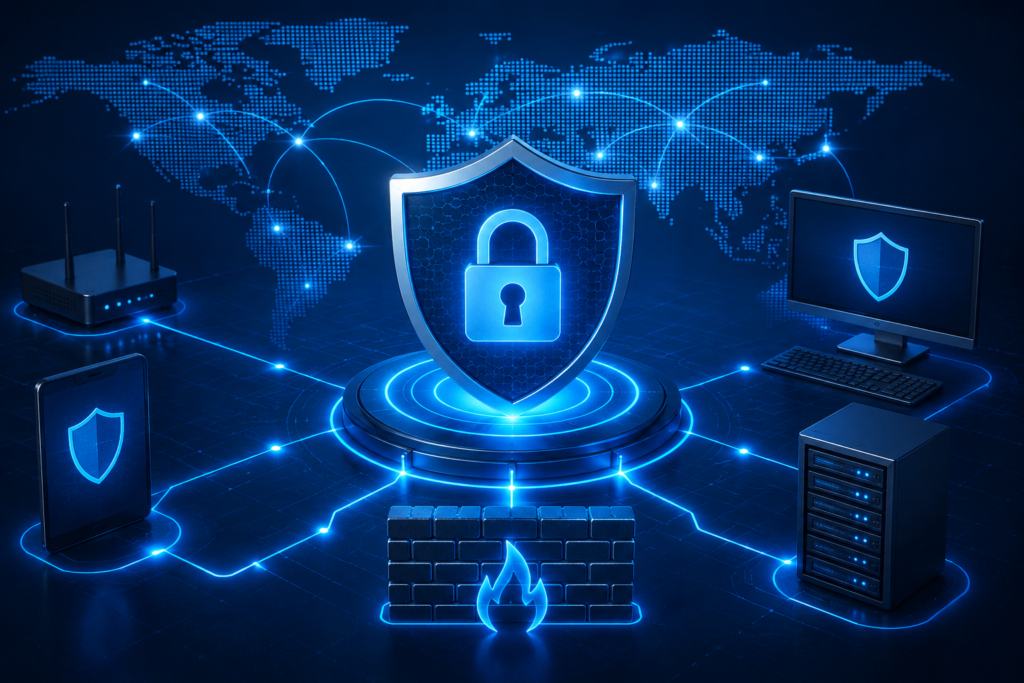
Network security primarily involves securing the communication channels and the computer networks of an enterprise. It aims to prevent unauthorized access, misuse, malfunction, modification, destruction, or improper disclosure of the networks.
Many businesses use the internet to communicate and operate their systems and software. This is why it is so important to have adequate network security in place; otherwise, any hacker could gain access to the business and their confidential information or cause a disruption in their operations.
2. Application Security
Application security covers, in particular, the software, applications, and web apps side of the business. It reaches the different points, such as lines of code, servers, and platforms, where cyber threats and vulnerabilities can get through.
The primary focus here is on preventing data or code within the app from being stolen or hijacked. Aside from physical checks, it can be done by applying some security patches or encryption.
3. Cloud Security
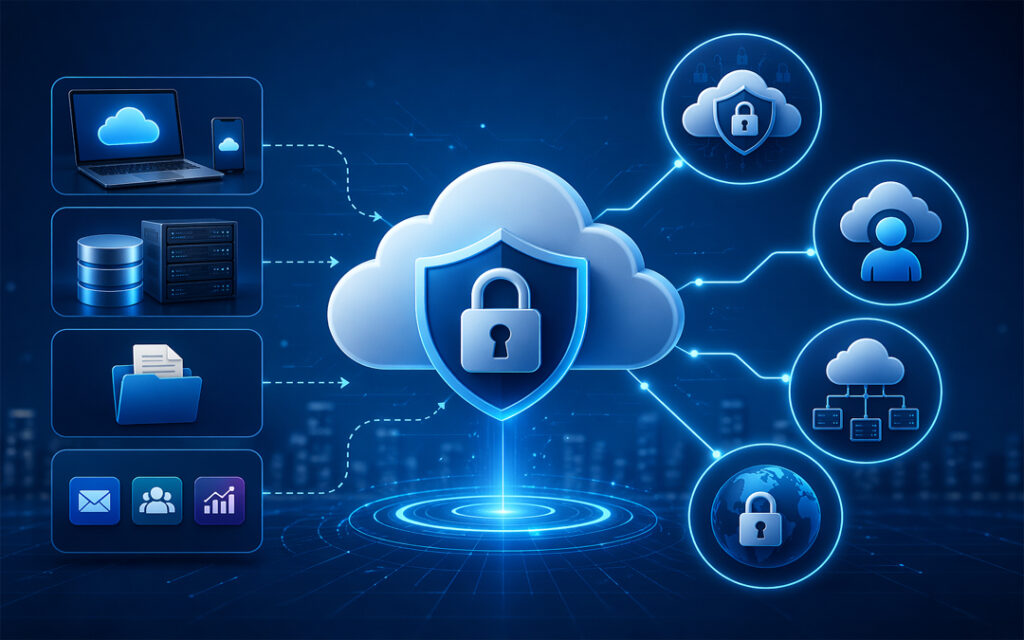
With more and more companies putting data and operations on the cloud, cloud security has become more crucial than ever before. It is concerned with protecting data, applications, and storage services hosted in a cloud.
If cloud security is not implemented, organizations could experience data security, compliance, and cash losses.
4. Endpoint security
It ensures protection for devices like laptops, mobiles, tablets, and servers that are connected to a network system.
Given the widespread adoption of remote and hybrid work, many endpoints are increasingly being seen as a prime target by cyber criminals, by way of malware, ransomware, and phishing.
5. Information security
It refers to protecting critical information (whether in storage or in transition) from many threats to ensure the availability, integrity, and confidentiality of the information. It maintains the privacy, integrity, and availability of business information.
This covers protecting the customer records, financial data, contracts, and business documents through encryption, access controls, and backup systems.
6. Operational Security
Maintaining operational security means developing the policies and procedures for managing and safeguarding sensitive business information.
Cybersecurity of this nature restricts who may store, use, or disclose the data of a company. Companies that carry out solid operational security measures are less prone to facing insider risks or accidentally exposing data.
7. Disaster Recovery and Business Continuity
Besides causing damage to a company’s reputation, cyberterrorism may also lead to a complete malfunction of the business. Disaster recovery, plus business continuity measures, enables companies to bounce back swiftly in case of a breach of security.
Why Do Businesses Need Cyber Security?
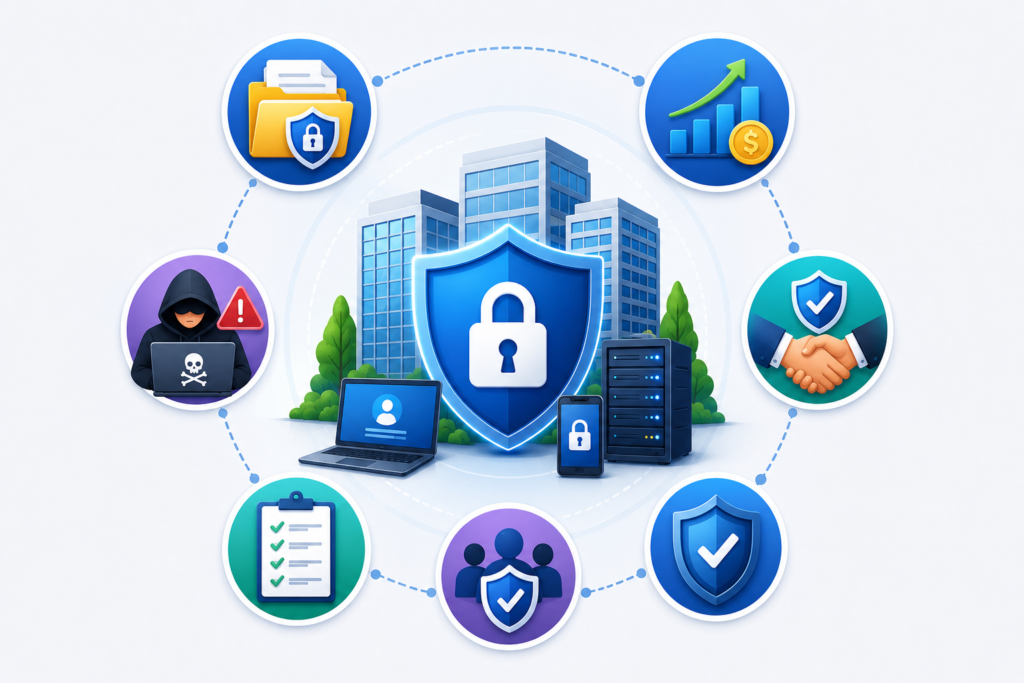
Protection Against Data Breaches
Growing clients’ and firms’ data repository is the first step toward becoming a potential hacker’s target. Cybersecurity measures provide a barrier against the theft of, /misuse of, and access to sensitive information by users without proper authorization.
Financial Loss Prevention
A cyberattack can cause huge financial losses through downtime of the system, fines from courts, cost of restoration, and loss of image. Implementing robust security measures can help a business prevent such expensive mishaps.
Customer Trust and Brand Reputation
Customers trust companies with their personal data and expect them to safeguard it. Even one breach can ruin the company’s reputation and cause a decline in customers’ faith. Having cyber security measures in place is a way of honoring that trust and maintaining one’s position in the market.
Compliance With Regulations
Disregarding compliance with data protection laws and cybersecurity regulations often means penalties, legal actions, and loss of reputation.
Protection From Evolving Threats
Attackers are always finding new ways to exploit vulnerabilities, leveraging AI to conduct phishing, ransomware, and identity theft among other tactics. Cybersecurity solutions need to be up-to-date to be effective against current threats.
Pexo Offers Cyber Security Services That Provide Smart and Reliable Cyber Defense
Pexo Cyber Security Services provides advanced cybersecurity solutions that not only protect a business from cyber threats of the 21st century but also help the enterprise to comply with the regulations and secure its operations.
Conclusion
Cybersecurity cannot be limited to a single aspect. For example, network security, cloud security, or disaster recovery are lockdown measures in different dimensions of the organization. Securing operations vulnerable to intrusions, safeguarding the company’s sensitive information, and reassuring customers are three very important aspects of cybersecurity.