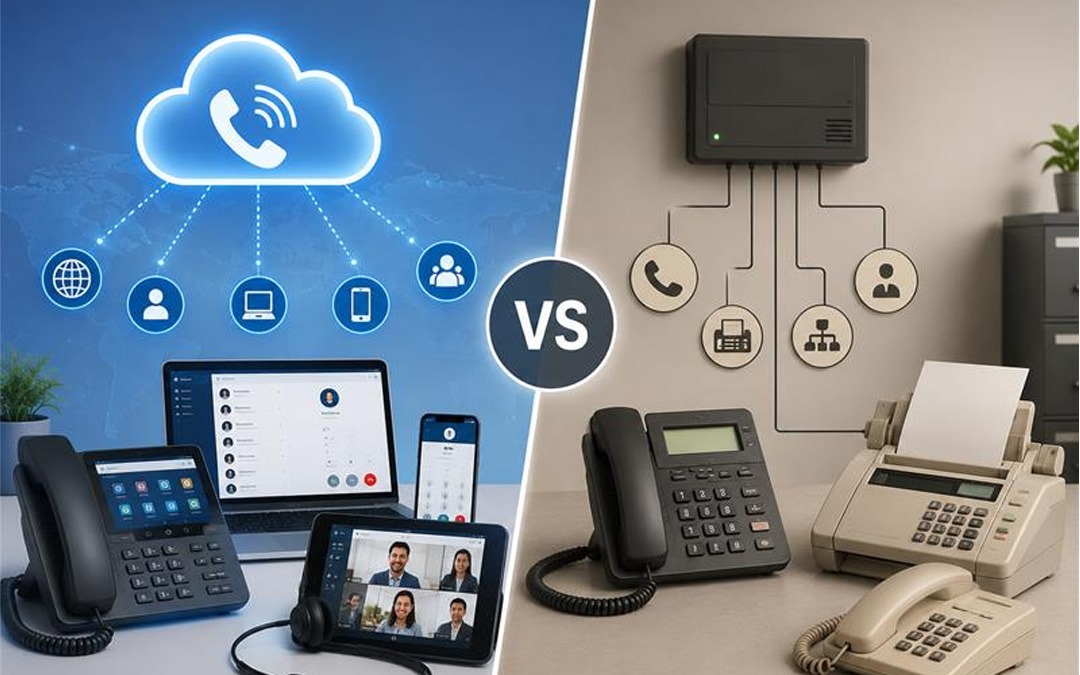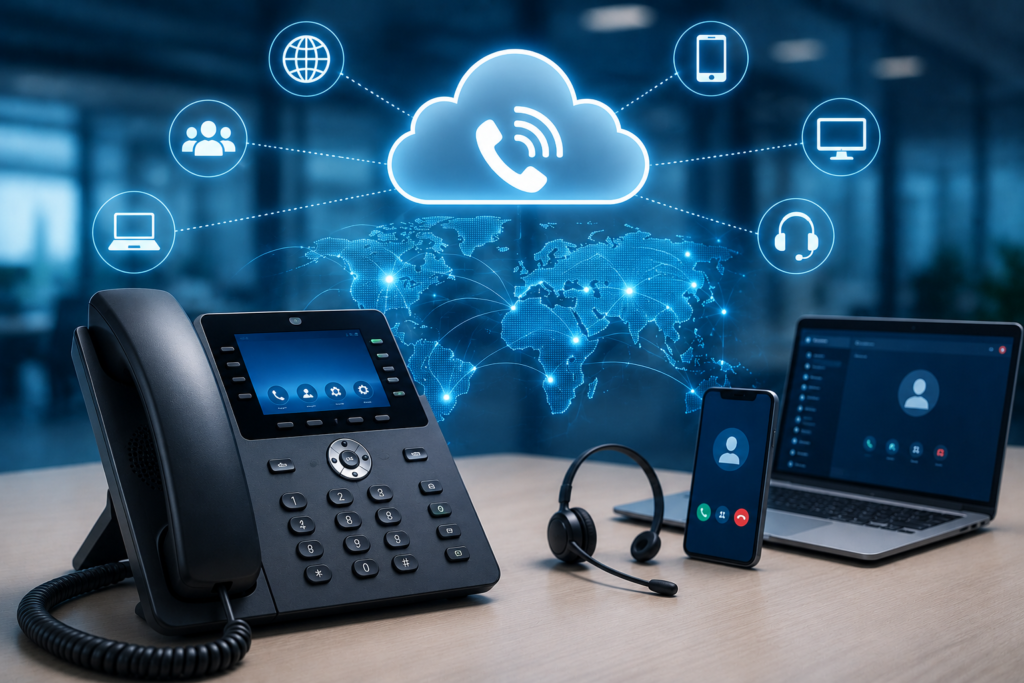
The VoIP phone works by converting the voice signal into data packets which are then sent via Internet. This is similar to how an email or a text message work. Broadband replaces traditional telephone lines, making them cheaper and more flexible.
Most people use the internet to make calls without even realizing it. FaceTime, WhatsApp, and Zoom all fall under the category of VoIP. What exactly is VoIP? And what happens behind-the-scenes of a VoIP System?
What is a Voip Phone System (VoIP)?
Voice over Internet Protocol is also known as VoIP. VoIP is a technology that transmits voice via the Internet, instead of using old copper phone lines.
Imagine sending your text messages as data. The VoIP uses voice. Your voice is transformed into data, which can be sent over the Internet. The sound is converted back into audio at the other end.
What Is a Voip Phone System?

This is a quick breakdown of the process that occurs when you place a VoIP phone call.
- When you speak into your headset or phone, sound waves are created.
- A codec is the software that converts sound to digital data.
- Data is broken down into tiny packets. They are known as “data packets”, small bits of data similar to those used to load websites.
- Packets are sent over the Internet. They travel through the router and broadband to the recipient.
- On the receiving end, packets will be reassembled. Devices on receivers’ devices will put them in their proper order.
It takes milliseconds for the whole thing to happen. It feels like any other phone call to the person on the line.
Which Components Make Up a VoIP Telephone System?
You need some basic items to make a VoIP system work:
- Broadband internet access Faster and more stable connections improve call quality.
- An VoIP-enabled phone. It could be your smartphone, laptop, tablet or VoIP deskphone.
- VoIP apps or services. RingCentral, Vonage and Google Voice are companies that provide the platforms for VoIP.
- The router or modem connects the device you are using to the Internet.
- Headset or microphone is optional. Used for conference calls and business calls.
Some companies use a (Private Branch Exchange) system, a network which manages internal calls and links to external lines.
How Can VoIP Benefit You?
There are several advantages to VoIP over conventional phone systems.
- Lower costs: VoIP is significantly cheaper, particularly for international or long-distance calls. The majority of providers offer unlimited calling at a monthly fixed price.
- Flexibility: You can make and receive calls from anywhere with an Internet connection. This is ideal for remote teams or workers spread across different locations.
- Scalability: Adding a second user is as simple as adding a new phone line. No new hardware is required.
- Features that are not included in the standard includes features such as voicemail-to-email, recording of calls and video calling.
A single network that can handle all your needs. You no longer need to use multiple networks for data, voice, or video.
The Difference Between Voip And Traditional Phone Systems?
The Traditional Phone Systems uses copper cables and infrastructure to transmit voice signals. Instead, VoIP relies on the internet.
Here’s a quick comparison:
| Features | VoIP | Traditional phone |
| The cost of the product | The Lower | Higher |
| Flexible Payments | The High-quality | Low-cost |
| Install | You can easily do this | Complex |
| Call Quality | Internet is a necessity | The general stability |
| Advance Features | Included | Often extra cost |
VoIP is the best option if you have a team that works from home, you are looking to reduce communication costs, or your company needs to grow quickly. Use traditional methods if you have a poor internet connection or live in an area without broadband coverage.
What Are The Most Common Uses Of Voip?
Many different applications use VoIP:
- Small Businesses: Use VoIP to Manage Customer Calls without Expensive Phone Infrastructure
- Teams: working remotely can stay in touch using VoIP.
- Call Center uses: VoIP for large volume calls, and often automated tools.
- Users of consumer: VoIP applications like WhatsApp or Skype can make free calls to other countries using .
- Telehealth and Education: providers are using VoIP to conduct virtual sessions and telelearning consultations.
VoIP: Is it the right choice for you?
The use of VoIP systems has revolutionized the way that people communicate, both at home and in their workplace. VoIP calls are faster, cheaper and more flexible because they convert your voice to data, which is then sent over the Internet.
Pexo offers professional VoIP services that will upgrade your company’s communication. With a flexible, reliable VoIP solution, you can enjoy crystal-clear calls, reduced communication costs and advanced features. You’ll also be able to connect from any location.
FAQ
Is there any special equipment required to operate a VoIP telephone system?
Not necessarily. VoIP apps can be used on a computer, tablet, smartphone or other device. You can use a desk phone that is VoIP compatible or an adapter to connect a standard phone if you want a phone.
Can VoIP be used for business?
You can, provided that you have an internet connection with a high speed and stable.
Is it possible to keep the same phone number after switching from VoIP?
Yes, in most cases. Most VoIP providers will support this process, which is known as “number Porting”. Before switching providers, check with the provider you currently use.
Can VoIP be used without an internet connection?
No. No. Your VoIP service will stop working if your internet connection goes down unless you have a failover mobile option